


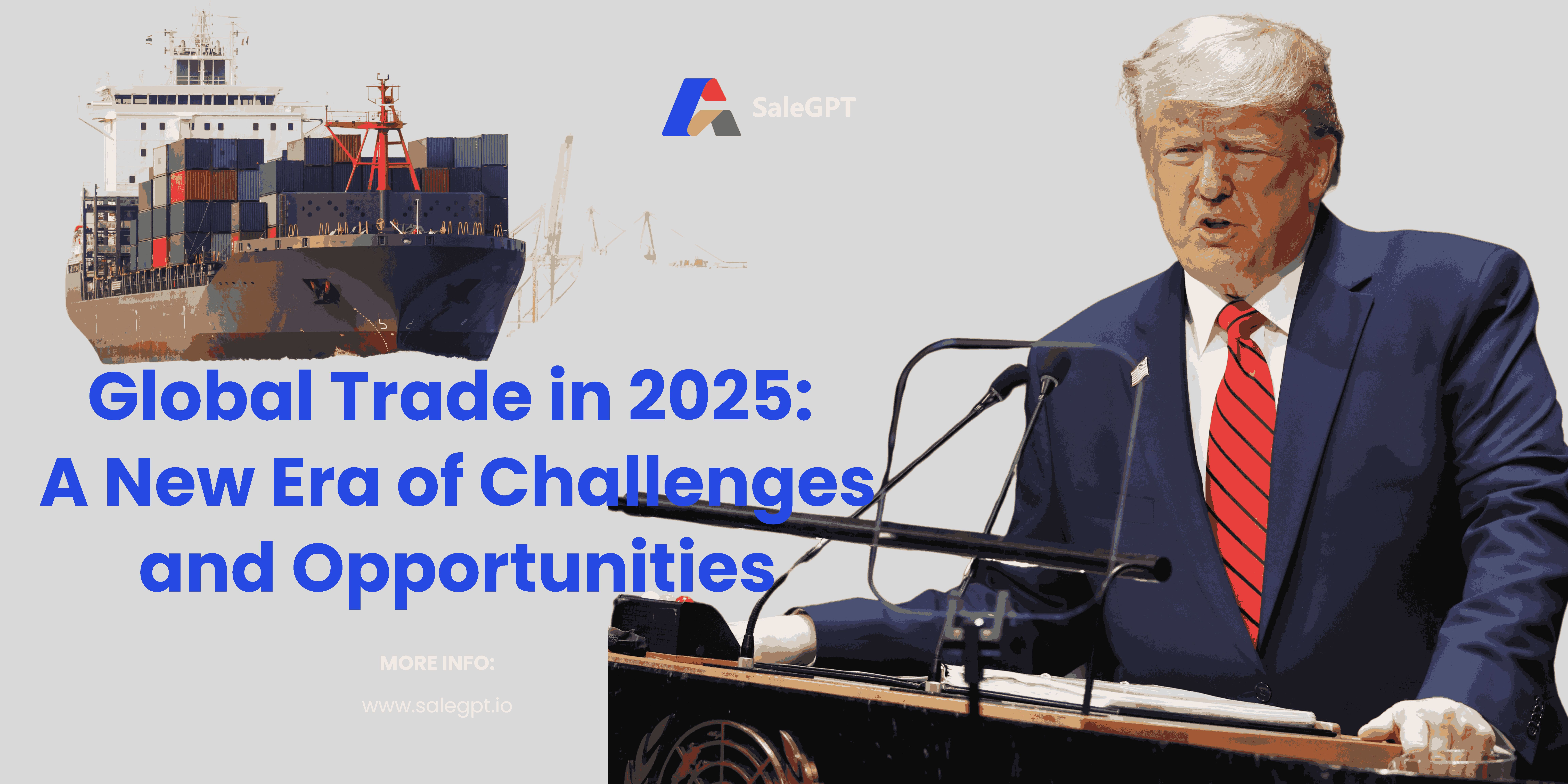
Global Trade in 2025: A New Era of Challenges and Opportunities
Introduction
As we step into 2025, global trade finds itself at a crossroads, shaped by shifting political landscapes, economic policies, and emerging opportunities. Changes in leadership—such as the reemergence of influential figures like Donald Trump—can bring both uncertainty and potential for businesses engaged in international trade. This article explores how political changes may affectglobal trade, the challenges they pose, and the opportunities they present for forward-thinking businesses.
1. The Impact of Political Leadership on Global Trade
Political leadership significantly influences international trade policies, tariffs, and agreements. Leaders can implement new regulations or dismantle existing trade relationships, impacting supply chains and market access. For example:
- Tariff Policies: Protectionist measures, such as increased tariffs, can create barriers for businesses relying on global imports and exports.
- Trade Agreements: Changes to trade deals (e.g., NAFTA/USMCA) can redefine relationships between trading nations.
- Geopolitical Alliances: Leaders often prioritize domestic industries, reshaping the flow of goods across borders.
Real-World Impact:Businesses must adapt quickly to such changes, reassessing their trade routes and supplier networks to remain competitive.
2. Challenges Facing Global Trade in 2025
While global trade has always faced hurdles, political shifts and policy changes add new layers of complexity:
- Uncertainty in Trade Policies: Frequent changes in regulations disrupt long-term trade planning.
- Tariff Wars: Escalating tariffs increase costs for businesses, impacting profitability.
- Supply Chain Disruptions: Tighter controls on imports or geopolitical instability can affect supply chain reliability.
- Economic Nationalism: A growing trend toward domestic production may limit international opportunities for some businesses.
These challenges require businesses to stay agile, monitor policies, and diversify their markets to mitigate risks.
3. Opportunities for Businesses Amid Global Shifts
Despite challenges, shifting political dynamics can unlock new opportunities for global trade:
- Diversified Markets: Businesses can explore untapped markets to reduce reliance on single regions.
- Resilient Supply Chains: Companies that strengthen their supply chain networks can outpace competitors.
- Technology-Driven Trade: Leveraging tools likeSaleAIto analyze customs data, trade policies, and market trends ensures businesses can identify and capitalize on global opportunities.
- Trade Negotiations: Political changes can lead to renegotiated trade deals, offering businesses better access to certain markets.
Example:Companies prepared to adapt during trade shifts often find themselves ahead of competitors who are slow to act.

4. The Role of Data in Navigating Global Trade
Data-driven insights are critical for businesses to adapt and thrive in a changing trade environment.Platforms likeSaleAIoffer real-time analysis of:
- Trade volumes and shipment records
- Emerging market opportunities
- Customs data and HS code trends
- Supply chain bottlenecks
By leveraging actionable data, businesses can make informed decisions, identify high-growth markets, and minimize risks caused by political uncertainty.
5. Preparing for the Future of Global Trade
To succeed in 2025 and beyond, businesses must adopt proactive strategies:
- Monitor Trade Policies: Stay informed about changing tariffs, regulations, and trade agreements.
- Diversify Trade Partners: Expand to new markets to mitigate the risks of political changes.
- Leverage Technology: Use platforms like SaleAI to gather insights, track competitors, and identify opportunities.
- Enhance Resilience: Build flexible supply chains that can quickly adapt to disruptions.
Conclusion
Global trade in 2025 presents a blend of challenges and opportunities shaped by evolving political dynamics and economic strategies. Businesses that stay informed, leverage data-driven insights, and remain adaptable will be best positioned to navigate uncertainty and achieve sustainable growth.
Tools likeSaleAIempower businesses to analyze global trade trends, identify opportunities, and make smarter decisions in an ever-changing market landscape.
"Unlock actionable insights and stay ahead in global trade. Discover the power ofSaleAItoday!"
