


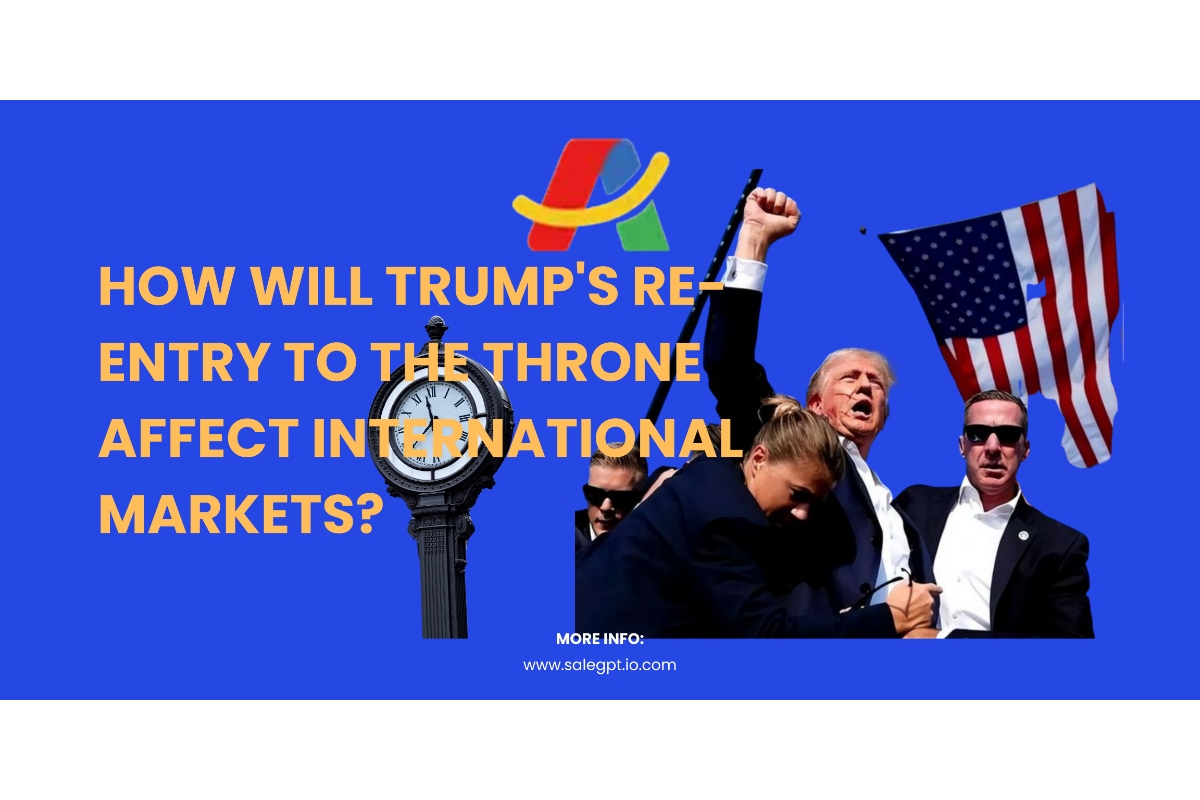
Donald Trump is back in office and his administration's approach toglobal tradecould lead to significant changes in the international trade environment. Known for his “America First” policies, Trump's comeback could amplify protectionist measures and reshape global trade dynamics. This blog explores the potential impact on global trade and provides actionable insights for businesses to adapt and continue to effectivelyacquire customersin an uncertain environment.
1. Trade Protectionism: A Growing Challenge
Key Policies:
- Higher Tariffs: Trump could impose elevated tariffs on imports from countries like China, intensifying trade barriers.
- Import Restrictions: High-tech products, energy resources, and agriculture could face tighter restrictions.
- Revised Trade Agreements: Existing international trade agreements may be renegotiated to favor U.S. industries.
Impacts on Businesses:
- Increased costs for companies relying on U.S. imports or exports.
- Heightened uncertainty in cross-border trade due to frequent policy changes.
- Supply chain disruptions as businesses grapple with fluctuating trade rules.
Adaptation Strategies:
- Diversify Market Presence: Explore emerging markets in Southeast Asia, Europe, and the Middle East to reduce dependence on U.S.-centric trade.
- Flexible Pricing Models: Adjust pricing to accommodate potential tariff-induced cost increases.
2. Strengthened Local Supply Chains
Key Policies:
- Support for U.S. Manufacturing: Incentives like tax cuts and subsidies to encourage manufacturers to return to the U.S.
- Export Restrictions: Stricter controls on technologies such as semiconductors and advanced manufacturing equipment.
- Tighter M&A Oversight: Heightened scrutiny of foreign acquisitions in sensitive sectors.
Impacts on Businesses:
- A shift toward localized production may lead to increased operational costs.
- Supply chain restructuring to minimize reliance on foreign suppliers.
- Barriers to accessing advanced U.S. technologies for non-American companies.
Adaptation Strategies:
- Strengthen Supplier Networks: Build relationships with multiple suppliers across different regions to mitigate risks.
- Explore Nearshoring Options: Consider relocating supply chains to geographically proximate and politically stable regions.
3. Tougher Trade Policies Against China
Key Policies:
- Broader Tariffs: Comprehensive tariff policies targeting a wider range of Chinese imports.
- Tech Sanctions: Expanded sanctions on Chinese technology companies like Huawei.
- IP Protection: Strict enforcement of intellectual property rules to limit Chinese product exports.
Impacts on Businesses:
- Intensified U.S.-China trade tensions could disrupt the global supply chain.
- Companies reliant on Chinese manufacturing may face delays and cost surges.
- Increased competition in markets outside the U.S. as Chinese companies redirect exports.
Adaptation Strategies:
- Market Diversification: Expand operations to non-U.S. markets to counterbalance restrictions.
- Invest in Regional Partnerships: Collaborate with suppliers and distributors in countries with stable trade relations.
4. Ripple Effects on Other Economies
Key Policies:
- Revised Trade Deals: Re-negotiations of agreements with allies like the EU, Canada, and Mexico.
- Closer ASEAN Cooperation: Establishing alternative supply chains with Southeast Asian countries to reduce dependency on China.
- Emerging Market Opportunities: Shift in manufacturing from China to cost-effective emerging markets.
Impacts on Businesses:
- Potential benefits for emerging markets as manufacturing relocates.
- Increased competition in alternative markets such as Vietnam and India.
- Overall slowdown in global trade growth due to heightened protectionism.
Adaptation Strategies:
- Capitalize on Emerging Markets: Invest in regions like Southeast Asia and Africa where new opportunities are arising.
- Optimize Supply Chains: Build resilient and diversified supply chains that include suppliers from multiple regions.
How Global Businesses Can Stay Resilient
1. Diversify Market Risks
Reduce reliance on single markets, especially those subject to significant policy volatility like the U.S. Focus on expanding in Southeast Asia, Europe, and the Middle East.
2. Enhance Supply Chain Flexibility
Build a multi-tiered supply chain strategy that includes nearshoring, offshoring, and local sourcing to handle potential disruptions.
3. Accelerate Digital Transformation
Leverage digital tools like e-commerce platforms and social media to reach global customers directly, minimizing dependence on intermediaries.
4. Focus on Product Differentiation
Enhance product value through branding, innovation, and quality improvements to maintain competitiveness in a shifting trade environment.
Conclusion
Trump's return to the presidency may pose challenges to global trade by increasing protectionism and international tensions, but there are still opportunities for businesses to adapt and thrive. By diversifying their markets, optimizing their supply chains and embracing innovation, businesses can navigate these changes and continue togain access toglobalcustomers.
Global trade is inherently dynamic, and businesses that strategize proactively will emerge stronger regardless of the changing political landscape.
